
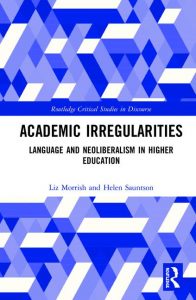
 This module explores the ways in which language can function as an indicator of a range of social and cultural identities, and how language plays an active role in constructing identities. The module takes an interdisciplinary approach to analysing the relationship between language, identity and culture. It allows you to develop advanced skills in analysing spoken and written texts and provides opportunities for you to put into practice the skills in linguistic analysis developed on other modules. You will learn about, and have opportunities to apply, different linguistic frameworks for analysing a range of aspects of language, identities and cultures (e.g. social class, gender, race, ethnicity, nationality). We also consider how particular ‘professional’ identities are constructed through language. There are specific sessions where we explore how ‘student’ and ‘academic’ identities are constructed through the way language is used in higher education contexts. For these sessions, we draw on a book I published with Liz Morrish called Academic Irregularities: Language and Neoliberalism in Higher Education (Routledge, 2020). You can find the accompanying blog here.
Helen Sauntson
You can find my official university webpage here , and you can follow my Amazon author page here.